Free inspections  ·  Flat written pricing  ·  Utah County
Mon–Fri 7am–6pm  ·  Saturday by appointment
Lehi · Utah County · Climate Zone 5B

Garage, Shop & Pole Barn Insulation in Lehi, Utah

Usable in January, survivable in July. And a warm floor in the room over the garage.

Lehi Elite Insulation insulates attached garages, detached shops, pole barns, and metal buildings for homes and properties across Lehi and Utah County, and fixes the cold bonus room over the garage that so many Lehi floor plans come with. Spray foam or batts, chosen for the building, not for the truck. Free inspection, flat written price.

  • ✓ Closed-cell foam on metal panels, so they stop sweating
  • ✓ Bonus room floors sealed from below, the fix batts never deliver
  • ✓ Honest about which buildings are worth insulating and which are not

Get a free inspection

Takes about 30–45 minutes. No cost, no pressure.

We'll call you back to schedule. Your request goes only to the contractor who does the work. See our privacy policy.

Thanks, we'll call you back shortly.
Four buildings

Garage and shop insulation in Lehi, by building type

The right product depends on what the walls are made of and whether anything lives above the ceiling.

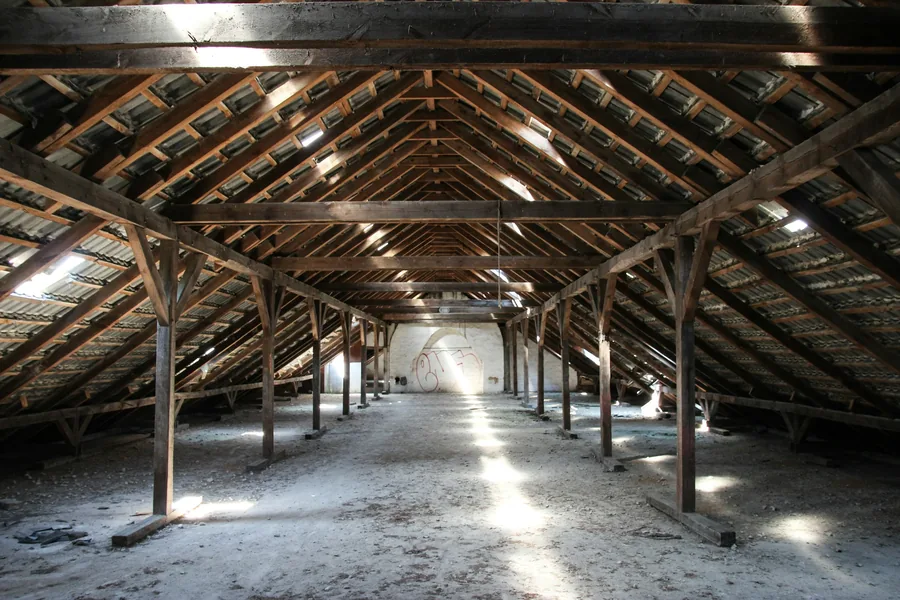
Interior of an uninsulated wood-framed shop building

Attached garage

The wall and ceiling shared with the house are the priority; they are part of the house's envelope. Batts in the framed walls, blown insulation or batts in the ceiling, and the shared wall air sealed. Keeps the house wall from being a cold spot and protects anything stored in the garage from hard freezes.
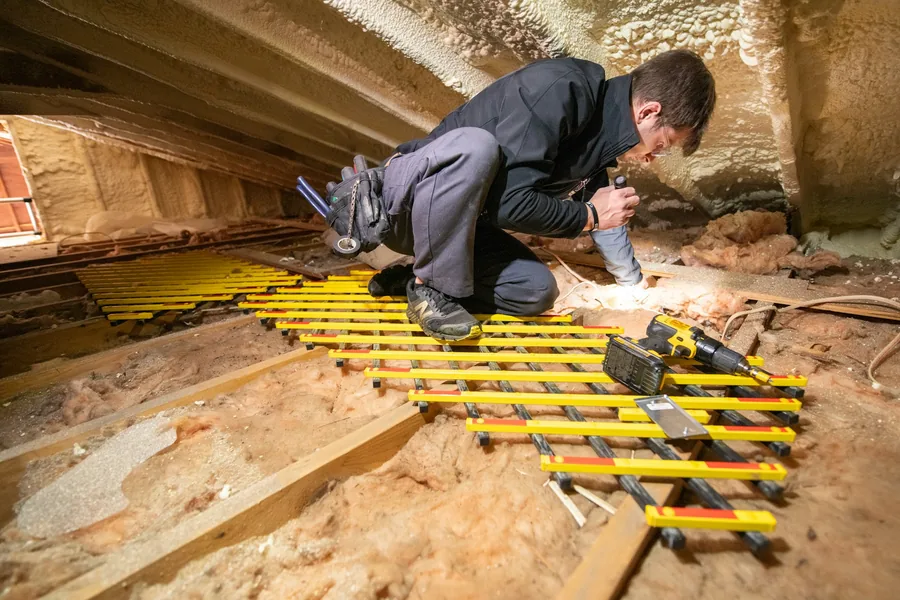
Closed-cell spray foam applied in a framed cavity

Room over the garage

The cold bonus room. The floor cavity is open to the garage ceiling and air moves through it all winter. Closed-cell spray foam against the underside of the subfloor, filling the joist bays, seals and insulates in one pass. Then the garage ceiling gets drywalled or sealed below it.

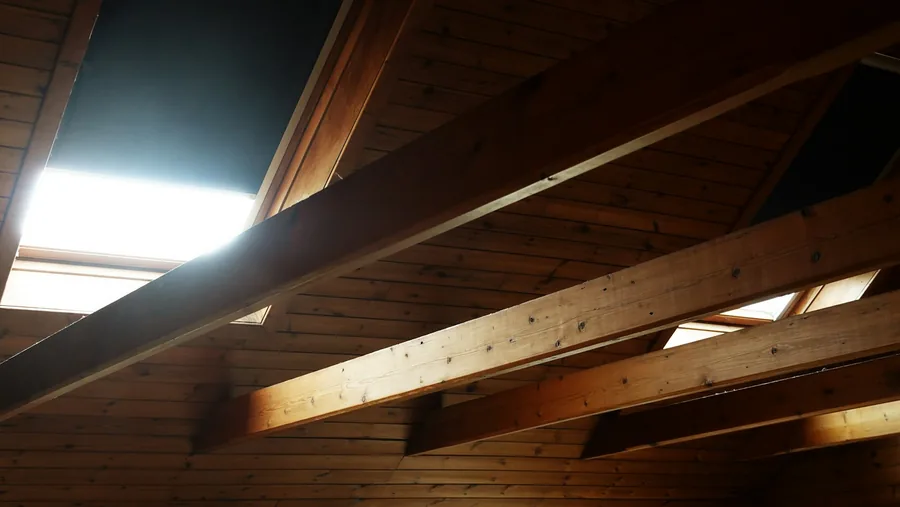
Open wood framing ready for insulation

Detached wood-framed shop

Batts in the stud and ceiling cavities with a vapor retarder on the warm side, or spray foam if the walls are open and you want the air seal. Insulate the ceiling or roof deck too, or the walls are wasted.

Metal building or pole barn

Steel panels sweat when warm inside air meets cold metal. Closed-cell foam bonded directly to the panel stops the condensation, stiffens the panel, and insulates. Batts against bare metal get wet and sag. The common choice for the shops on the west side of Lehi and out toward Saratoga Springs and Eagle Mountain.

Garage being finished as living space

A garage conversion has to meet the same code as the rest of the house: R-20 walls or R-13 plus R-5 continuous, R-49 ceiling, and the slab edge addressed. We insulate to the permit, not to "good enough for a garage." See wall insulation for the new-wall code paths.

Garage doors

An uninsulated steel garage door is a large thin sheet of metal. Insulated doors and door kits are a separate product from what we install, but an uninsulated door undoes a lot of wall insulation, so we tell you if yours is the weak point.

The cold bonus room

Why the room over the garage is always cold, and the actual fix

Ask around Traverse Mountain or Holbrook Farms and you will find the same complaint: the bedroom or office over the garage is ten degrees off the rest of the house.

The floor of that room sits on joists that span the garage. The joist bays are open at the ends to the garage ceiling framing, and in many builds they are open to the outside at the rim as well. Builder-grade batts were stapled up between the joists, usually with gaps, often sagging away from the subfloor after a few years. Cold garage air moves freely through the bays, and the floor runs near garage temperature. Carpet on top does not change that.

The fix has two parts. First, air seal the bays at the rim and at the garage ceiling so air stops moving through them. Second, put insulation in contact with the underside of the subfloor so there is no air gap between the warm floor and the insulation. Closed-cell spray foam does both at once and is why it is our default for this job. Dense-pack can work where the garage ceiling is finished and foam is not practical.

The garage ceiling itself then gets closed up or sealed. If the garage is attached, the wall between the garage and the house gets the same treatment while we are there.

What to expect. Floors in the bonus room should land within a couple of degrees of the rest of the house after the work. If the room also has a vaulted ceiling with thin insulation, that is a separate problem we quote at the same time.
Rebates. Wattsmart excludes garages outright. ThermWise rebates are for conditioned living space, so a detached shop generally does not qualify. The floor of a room over the garage is part of the house and may qualify as floor insulation; confirm with the utility first. Rebates guide.
Shops and acreage

Metal buildings and pole barns on the west side

The lots west of Redwood Road, out toward Saratoga Springs and Eagle Mountain, and the older acreage properties around Lehi are where the shops are. Most are steel or pole construction.

Steel buildings have one problem that wood-framed buildings do not: condensation. Warm, humid air from a running heater, a parked vehicle, or just people working inside hits the cold steel panel and water runs down the inside of the wall. It rusts fasteners, soaks anything stored against the wall, and makes batt insulation useless. Closed-cell spray foam bonded to the panel puts the insulation and the vapor retarder on the warm side of the steel, so the panel never sees the humid air. It also stiffens the panel and quiets the building in wind.

Pole barns have no stud cavities, just posts and girts. Foam goes directly on the siding between the girts. Framing in a wall for batts is the alternative when the budget calls for it and the siding is wood.

A shop you heat or cool gets the full envelope: walls, roof deck or ceiling, and the big door. A shop you never condition gets an honest conversation about whether insulation will change anything for you. Sometimes the answer is a ceiling only, to knock down the summer heat, and sometimes it is no.

Interior of an uninsulated wood-framed shop building
Open framing in a shop. Walls, ceiling, and the door all have to be handled or the heat leaves through whichever one is left. Stock photo.
How it works

The garage or shop job, start to finish

01

Free inspection

Building type, what the walls and roof are made of, whether anything lives above, how the space is used and heated, and the door. About 30–45 minutes.

02

Written scope and price

Which surfaces, which product, what thickness, and what we recommend leaving alone. Flat, in writing.

03

Install

Contents protected or moved, surfaces prepped, foam or batts installed to the spec in your quote, bays sealed at the rim.

04

Walkthrough

Photos, thickness readings on foam jobs, and the product data sheet for your records.

Common questions

Garage and shop insulation in Lehi, UT: FAQs

Should I insulate my garage ceiling if there's a room above it?

Yes, and it is the most common garage job we do. A bonus room over a garage is cold because the floor cavity between the joists is open to an unheated garage and air moves through it. Closed-cell spray foam against the underside of the subfloor, filling the joist bays, seals the air path and insulates in one step. Batts alone in that location rarely fix the cold floor.

Spray foam or batts in a metal shop?

Closed-cell spray foam, almost always. Metal panels sweat when warm inside air hits cold steel, and batts against a sweating panel get wet and sag. Closed-cell foam bonds to the panel, rejects water, stops the condensation, and stiffens the wall. Batts work in a wood-framed shop with a proper vapor retarder and sheathing.

Does garage insulation qualify for rebates?

Rocky Mountain Power's Wattsmart program excludes garages outright. ThermWise rebates are for conditioned living space, so a detached shop or an unheated garage generally does not qualify. The exception is the floor of a room over the garage, which is part of the house and may qualify as floor insulation. Confirm with the utility before counting on it.

Do I need to heat the garage for insulation to be worth it?

No. An insulated attached garage stays well above outdoor temperature from the heat that leaks through the house wall, which protects pipes, a water heater, or a vehicle, and keeps the wall between the garage and the house from being a cold spot. Insulating a detached shop you never heat is a weaker case, and we will say so.

Can you insulate a pole barn?

Yes. Pole barns have no stud cavities, so the options are spray foam directly on the metal or wood siding, or a framed-in wall with batts. Closed-cell foam is the usual answer because it handles the condensation and the irregular framing in one pass.

Related

Other work that often goes with this

Free inspection

Make the garage, shop, or bonus room usable year round

We look at the building, tell you which surfaces matter, and quote the right product for each. In writing, flat priced.

Call (801) 348-3113

Request a callback

Mon–Fri 7am–6pm. We'll call you back to schedule.

Thanks, we'll call you back shortly.
Call (801) 348-3113 for a Free Inspection