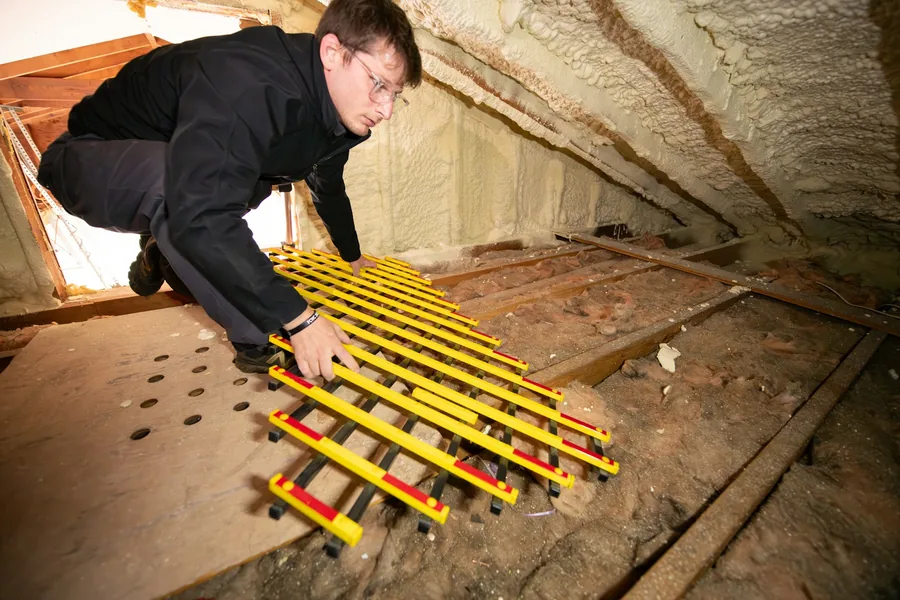
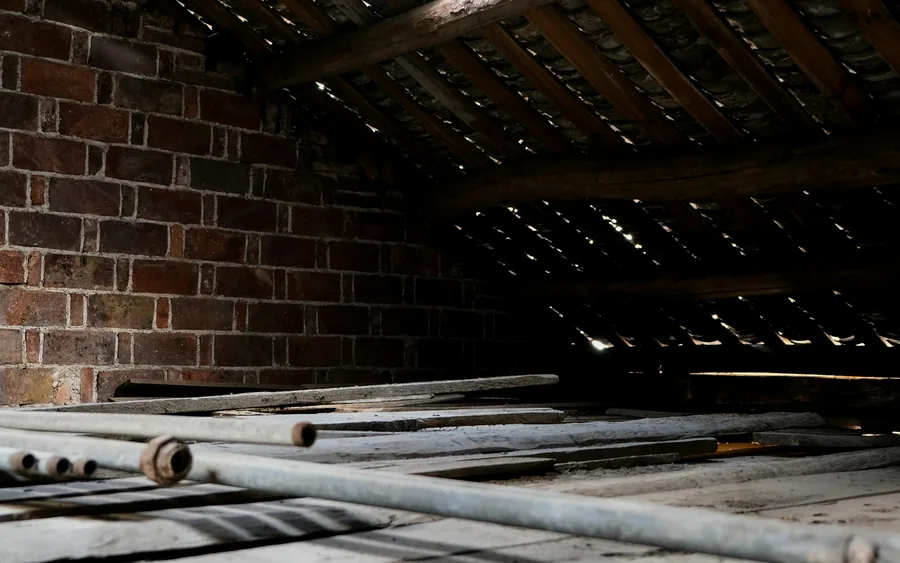
The attic is where most Lehi homes lose the fight with January and July. It is also the cheapest place in the house to fix.
Lehi Elite Insulation installs blown-in attic insulation for homes across Lehi, from the older houses off Center Street to the newer builds on Traverse Mountain and in Holbrook Farms. We measure what you have, air seal the attic floor, and blow fiberglass or cellulose to Utah's R-49 code level or the R-60 the Department of Energy recommends for this climate. Free inspection, flat written price.
Takes about 30–45 minutes. No cost, no pressure.
You do not need a thermal camera. Most of the evidence is visible from the hatch or on your gas bill.
Utah adopted the 2021 IECC with state amendments effective July 1, 2024. For Climate Zone 5, which covers Lehi and all of Utah County, the prescriptive ceiling value is R-49.
Going from R-49 to R-60 once a crew and a blowing machine are already on site is a small incremental cost, a few more inches of material. That is why we quote both numbers and let you choose. The ThermWise attic rebate also requires the finished level to land between R-49 and R-60, so R-60 is the top of the rebate window, not beyond it.
Code values: Insulation Institute, Utah energy code summary (2025). Last checked September 30, 2026.
General guidance for Utah homes, not a survey of specific houses. R-49 is roughly 16–18 inches of blown fiberglass. We measure your attic in several spots and give you the actual number.
Both are loose-fill products blown through a hose to a measured depth. They behave differently over time, and Utah's dry climate and bench wind change the math a little.
| Factor | Blown-in fiberglass | Blown-in cellulose |
|---|---|---|
| R-value per inch (typical manufacturer rating) | About R-2.2 to R-2.7 | About R-3.2 to R-3.8 |
| Depth for R-49 | About 16 to 18 inches | About 13 to 15 inches (blown deeper to allow for settling) |
| Settling | Minimal | Settles roughly 10 to 20 percent over the first years, so the install depth is set above target |
| Moisture | Does not absorb water | Absorbs moisture if the roof leaks, then dries slowly |
| Air movement | Lighter, so wind-washing at the eaves matters more. Baffles and dams fix this. | Denser, resists air movement better. Helpful on the bench where Point of the Mountain wind hits. |
| Fire and pests | Non-combustible glass | Recycled paper treated with borate for fire and pest resistance |
| Best fit | Most vented Lehi attics, and any attic with a history of roof leaks | Wind-exposed attics and anyone who prefers a recycled-content product |
R-value ranges are typical manufacturer-rated values and vary by product and installed density. The number that matters is the measured depth after installation, which is why we install depth rulers.
Blowing 16 inches of insulation over an unsealed attic floor is a partial fix. Warm air still leaves through the gaps, it just takes a slightly longer route.
Every attic job we run starts with the attic floor. Top plates where the drywall meets the framing, plumbing and flue chases, bath fan housings, recessed can lights, wiring holes, and the attic hatch itself all get sealed with the right material for each spot. Fire-rated sealant goes around flues and chimneys. The hatch gets weatherstripping and a rigid insulated cover so the one door into the attic is not the biggest leak in it.
Next come the eaves. Vented attics need air to move from the soffit vents up to the ridge or roof vents. Blown insulation that spills into the soffit blocks that airflow and gets wind-washed thin. We install baffles at every rafter bay along the eaves and insulation dams around the hatch and any mechanical platforms so the material stays where it belongs at full depth.
Then we blow to depth. Depth rulers go in across the attic on the way out. They are the cheapest quality-control tool in the trade: anyone with a flashlight can check the coverage from the hatch for the next 30 years.
Most of the time it doesn't. Dry, uncontaminated insulation stays put and the new layer goes over the top. The old material still counts toward your R-value and pulling it out adds cost for no benefit.
Removal is the right call in four situations: rodent contamination (droppings, urine staining, nesting), water damage from a roof or plumbing leak, smoke or fire damage, and vermiculite that may contain asbestos. Vermiculite looks like small gray-brown or silver-gold pebbles. If you see it, stop and have it tested before anyone disturbs it.
When removal is needed we vacuum the old material out through a hose to a truck, sanitize the attic, then air seal and re-insulate as one continuous job with one price. Our insulation removal page covers the process and the rodent-first sequence in detail.
We walk the attic, measure depth in several locations, check the baffles and ventilation, and find the air leaks doing the real damage. About 30–45 minutes.
Material, target R-value, air sealing scope, and any rebate you qualify for, in writing, flat priced. No "starting at," no day-of surprises.
Walkways protected, penetrations sealed, baffles and dams set, insulation blown to depth, rulers installed. The schedule is in your quote.
Before-and-after photos, confirmed depth readings, and the documentation a rebate application asks for.
Attic insulation is priced by square footage of attic floor, current depth, target R-value, access, and how much air sealing the attic needs. A straightforward top-up on an accessible 1,500 square foot attic is a very different job from a low-clearance attic with knee walls and a contaminated layer that has to come out first.
Rather than post a "starting at" number that never survives contact with a real house, we quote flat after we have measured. The inspection is free, the quote is in writing, and the price doesn't move once you sign it.
Things that push the number up: removal, very low clearance, multiple attic sections, a lot of can lights and penetrations to seal, and going to R-60 instead of R-49. Things that keep it down: clear access, an existing dry layer we can build on, and a simple roof.
Get your flat written quoteAmounts and rules are set by the utilities and change. See the full Utah insulation rebates guide for current terms, which utility serves your city, and a quick eligibility checker. Last checked September 30, 2026.
Lehi's housing stock splits cleanly at about the year 2000, and the attics split with it.
The older homes near Main Street and Center Street, and the original tracts north of the freeway, were built when R-19 was normal and R-30 was generous. Many have had nothing added since. The material is often compressed, sometimes disturbed by decades of storage and wiring work, and the attic floor was never air sealed. These attics get the biggest improvement per dollar of anything we do.
The newer subdivisions on Traverse Mountain, in Holbrook Farms, and along the Thanksgiving Point corridor were built to a more recent code, but builder-grade attic insulation is installed to the minimum on the day of inspection and not a fraction more. It settles, it gets pushed around by the HVAC and low-voltage crews who come after the inspector, and bare spots around the furnace platform and can lights are common. Wind exposure on the bench makes wind-washing at the eaves worse.
The inspection is the same either way. We measure in several spots, photograph what we find, and tell you the current R-value and what it takes to get to R-49 or R-60. The home's age just tells us where to look first.
Utah's current energy code calls for R-49 in the ceiling for Climate Zone 5, which is roughly 16 to 18 inches of blown fiberglass or 13 to 15 inches of cellulose. The Department of Energy's recommendation for this zone goes up to R-60. If you can see the tops of your ceiling joists from the hatch, you are well under both numbers.
Usually yes. If the existing material is dry, uncontaminated, and not vermiculite, we air seal the attic floor and blow new insulation directly over the old layer. The old layer still counts toward your total R-value. Removal is only needed when the old insulation is wet, rodent-contaminated, smoke-damaged, or suspected to contain asbestos.
Both work in a vented Utah attic. Blown fiberglass resists settling and moisture. Cellulose is denser and blocks air movement a little better, which matters on the bench where the Point of the Mountain wind is a factor, but it settles over time so it has to be blown above target depth. We recommend based on what is already up there and how the attic is vented.
Adding insulation to an existing attic is normally treated as maintenance and does not require a permit on its own. If the job is part of a larger remodel or finish that already needs a permit, insulation gets inspected as part of that. Lehi City Building has the final say, and we will tell you if your project falls into the second category.
An air seal plus blow-in on a typical single-family attic is usually a same-day job. Removal of old material first adds time. Your written quote spells out the schedule so there are no surprises.
Yes, and it is underrated. A Lehi attic can reach 140°F in July. A full layer of insulation slows that heat from radiating down through the ceiling, which is why upstairs bedrooms notice the change most.
If your home has natural gas from Enbridge Gas, ThermWise pays $0.32 per square foot when at least R-19 is added and the attic finishes between R-49 and R-60. A smaller Tier 2 rebate applies when at least R-11 is added. Contractor-installed work must be done by a ThermWise authorized contractor. Our rebates guide has the full rules and a checker.
The inspection is free and takes under an hour. Worst case, you learn your insulation is fine and stop wondering about it every time the furnace kicks on.
Call (801) 348-3113Mon–Fri 7am–6pm. We'll call you back to schedule.